

Energy and CO2 emissions
Our commitment to reduce emissions
Efficiency
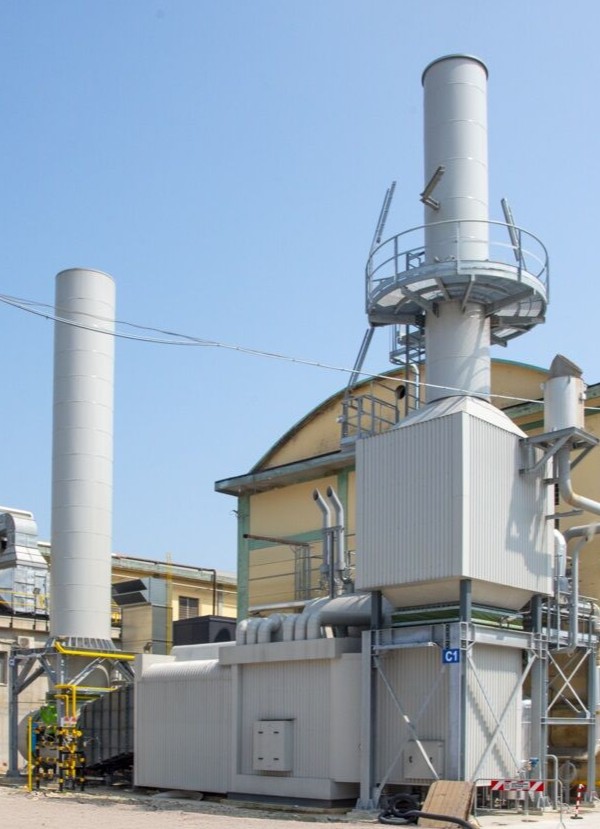
We aim for maximum efficiency: with a certain amount of methane, our cogeneration plants achieve an energy production that is 50% higher than conventional plants. Paper mill operations require a lot of energy, in the form of electricity and heat.
In short, we need both electricity to run the machinery, and steam to dry the paper: indeed, paper production is a process that starts from a slurry made up of 90% water and reaches the final product that contains less than 10%. The company’s internal cogeneration plants supply both types of energy we need.
Since 2009, Favini has deployed a system to analyse and monitor its energy efficiency, showing a commitment to reducing consumption by continuous targeted investments.
A high efficiency cogeneration plant has been operational at the Crusinallo plant since January 2016. It produces all the heat and most of the electricity needed for the production process in a highly efficient manner, resulting in lower emissions of pollutants and greenhouse gases into the atmosphere when compared to the separate production of electricity and heat.
The Rossano Veneto plant also installed a pioneering cogeneration engine in 2025.
The cogeneration plants decrease our reliance from using other and less efficient external processes with higher CO2 emissions.

A cogeneration plant is a combined heat and power system. The energy source is methane, less polluting than other fossil fuels because during combustion it generates only water and carbon dioxide and not carcinogenic substances, such as harmful hydrocarbons or fine dust.
During the process, the created heat, instead of being dispersed into the environment, is appropriately recovered and used in our factories. The conventional system creates energy and heat separately, using more fuel. We have instead chosen cogeneration plants because of their higher efficiency, which is rewarded by the white certificates TEE (Energy Efficiency Credit).
Self produced electricity

The cogeneration plant was not the only action Favini has undertaken to avoid polluting emissions and improve its performance. By harnessing the power of water from a stream near the factory, the company can take advantage of hydroelectricity.
ENERGY SOURCES

Favini’s path toward energy efficiency involves a constant evaluation of more environmentally responsible energy sources. Wherever possible, the company powers its activities using waterways near its site thanks to two in-house hydroelectric plants.
Favini has also taken into consideration the possibility of using local agricultural waste to create electricity, but unfortunately biomass plants would not generate sufficient energy to fulfil its needs.
The optimisation of methane use – which as of yet cannot be avoided – is the factor underlying the decision to invest in cogeneration plants. Currently, this is still the most efficient solution. A photovoltaic system with a total power of 262.5 kW has been installed on the roof of the new paper finishing plant in Rossano Veneto, with an annual energy production of 320,710 kWh, deriving from 525 panels covering an area of approximately 1,167.48 m².
REWARD FOR ENERGY EFFICENCY
Continuous investments in energy efficiency – including the replacement of the paper press and installation of a new heat pump – have allowed Favini to obtain white certificates that were subsequently reinvested in new energy efficiency projects.
CO2 EMISSIONS
Emissions linked to the paper mill’s activities fall primarily into two categories: – some are generated directly by the company’s operations, such as the combustion of methane, a fossil fuel used to power machines and the cogeneration plant; – others are caused indirectly by energy consumption, including the purchase of electricity from the national grid, over which Favini has no control.
Following the GHG Protocol standard, the company monitors and accounts for all emissions associated with its production activities; moreover, through a voluntary agreement with Italy’s Ministry of Ecological Transition, the company has committed to the 2015 Paris Agreement, which requires Countries, companies and individuals to take action to reduce gas emissions greenhouses that alter the climate and damage ecosystems.
CO2 OFFSETTINGS
In conjunction with structural measures, Favini has taken action to tackle CO2eq emissions of processes it does not have direct control over by joining environmental programmes aimed at purchasing carbon credits generated abroad.
To compensate 2024 residual emissions across certain production lines, like Paper from our Echosystem collection, Favini acquired Carbon Credits to finance activities that can absorb CO2 in the atmosphere.

Redd project in Brazil nut concessions in Madre de Dios
The Brazil nut forests of Madre de Dios stretch across the provinces of Tahuamanu and Tambopata in southeastern Peru, an area known for both its rich biodiversity and its growing exposure to environmental risk. Brazil nut harvesting has been a cornerstone of local life since the 1940s, providing seasonal income and employment for roughly a third of the region’s population. But this tradition, and the forests that sustain it, are increasingly under threat.
The paving of the Interoceanic Highway, which links western Brazil to the Pacific, has triggered a surge in migration and land speculation. This has intensified illegal logging, informal mining, and forest clearing, even within established Brazil nut concessions.
In 2009, 377 concessionaires came together to push back. With the support of this REDD project, they have protected over 290,000 hectares of forest by building the tools, training, and infrastructure needed to monitor land, defend tenure, and improve livelihoods. The project is certified under the Climate, Community & Biodiversity (CCB) Standards, which recognize land-based climate action that also delivers clear benefits for local people and ecosystems.
By reinforcing the long-term economic and social value of intact forests, the project offers a practical, community-led alternative to deforestation and a more secure future for people and nature in Madre de Dios.



The emissions generated by eco-friendly papers Crush, Remake, Refit, Shiro Echo, Tree Free and Alga Carta, part of ‘Paper from our Echosystem’ collection, are fully offset by Carbon Credits that we acquire to finance activities that can absorb CO2 in the atmosphere.

As a consequence Favini has succeeded in offsetting the environmental impact of several product lines, such as eco paper lines Crush, Remake, Refit, Shiro Echo, Tree Free, Sparto and Alga Carta, part of our eco collection Paper from our Echosystem.
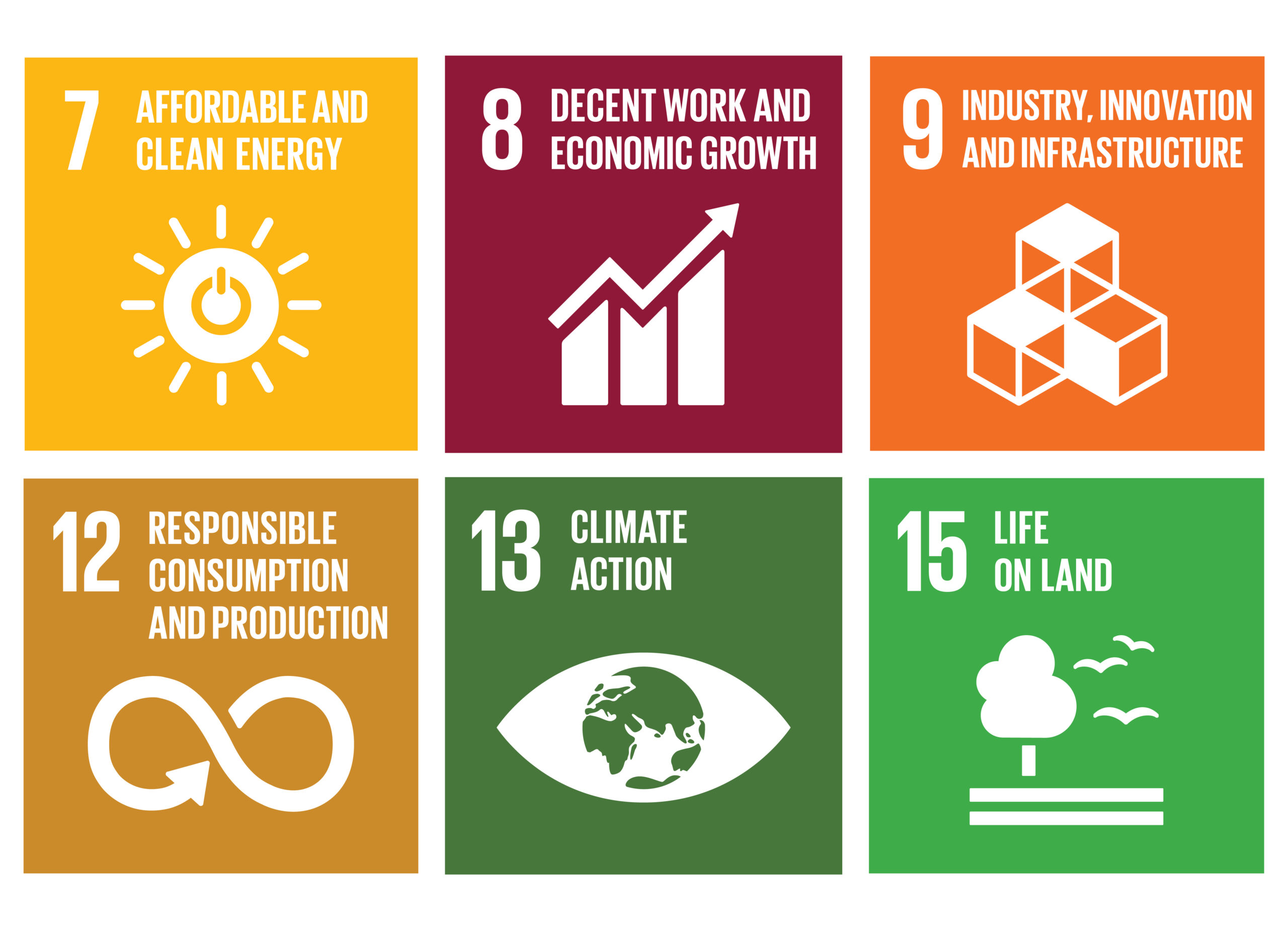
Our commitment to energy efficiency and emission reduction is in line with the Sustainable Development Goals by United Nations. In particular, our approach in this area respects the principles:
- 7 clean and accessible energy;
- 8 decent work and economic growth;
- 9 support for innovation;
- 12 promotion of sustainable models;
- 13 fight against climate change;
- 15 life on land.
Explore our Sustainability areas to discover all the SDGs pursued by Favini.

COURAGE TO